Fats, Oils, and Grease Disposal
Proper Fats, Oils & Grease Disposal | New Braunfels Utilities
Protect Your Pipes. Save Money.
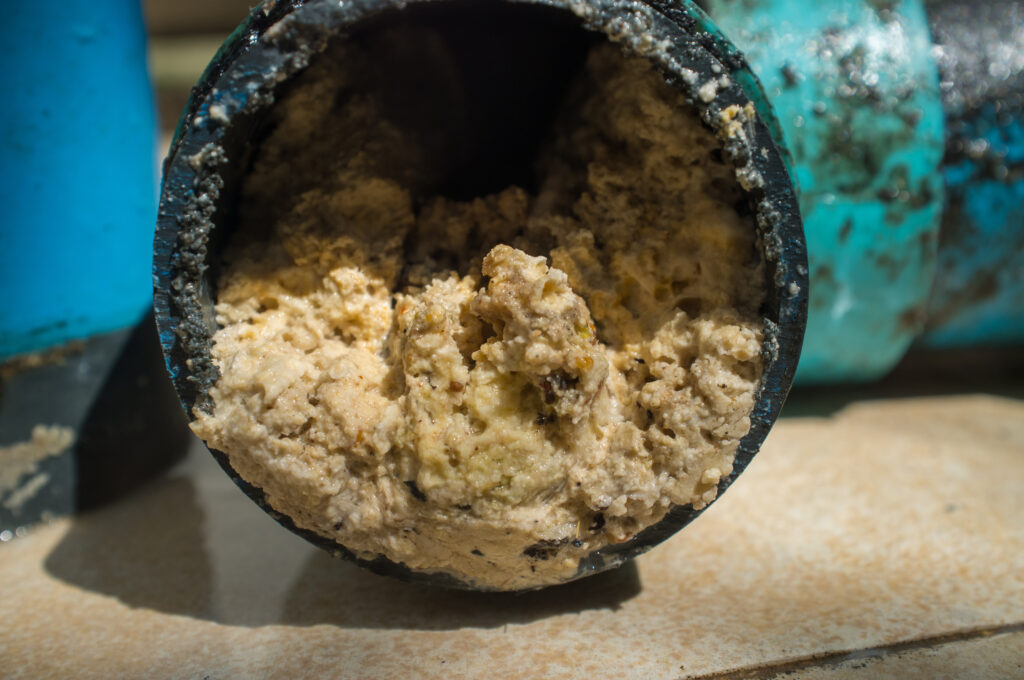
Fats, Oils and Grease (FOG) can cool, harden and stick to pipes if disposed improperly. Over time, it blocks flow that can back up into your home or the system – costing you money.
How to Dispose Safely
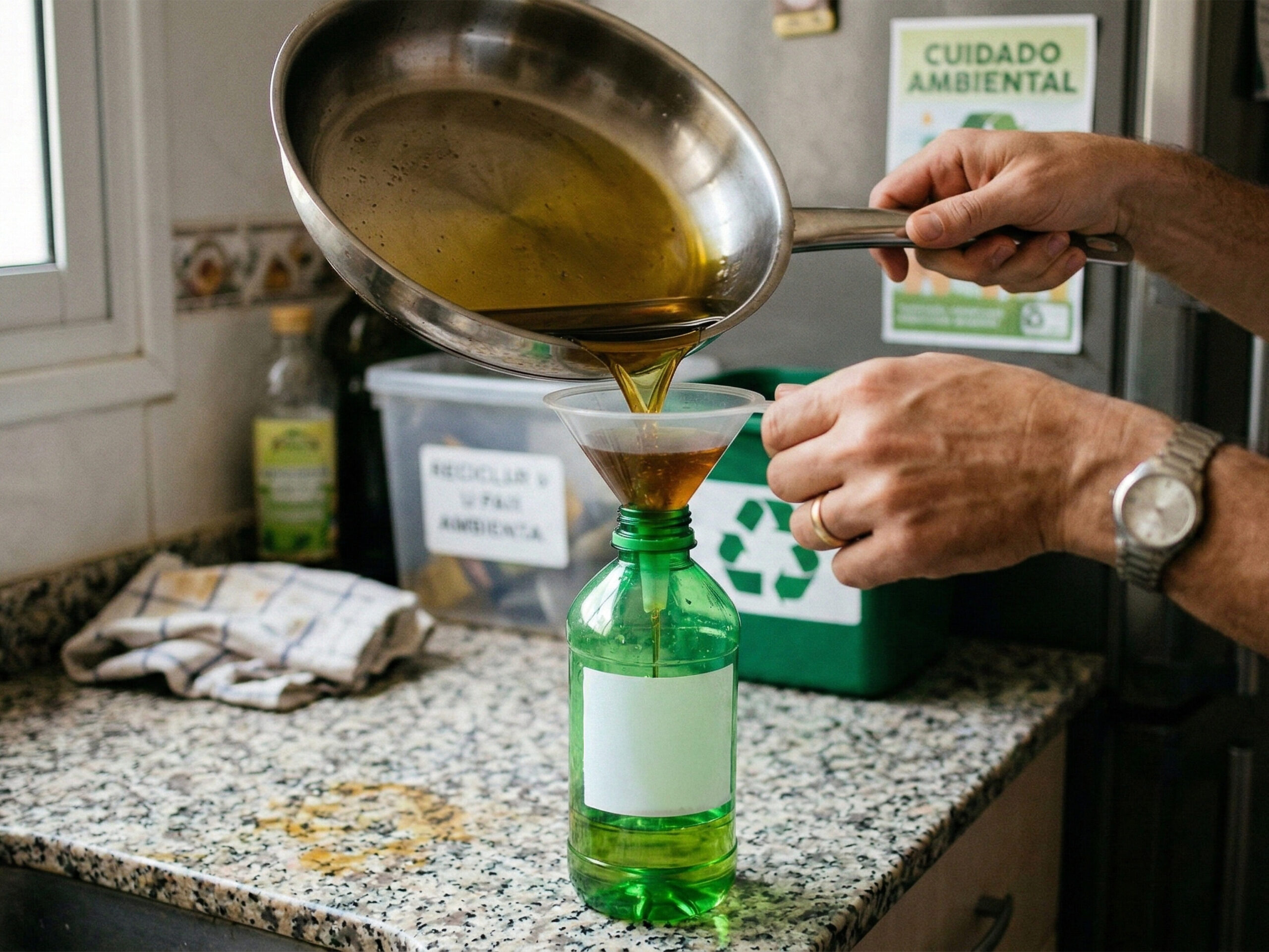
The best way to dispose of fats, oils and grease is to let them cool, pour them into a sealed container, and throw them in the trash. You can also wipe greasy pans and plates with a paper towel before washing them.
Never pour grease down the sink or toilet, even if you run hot water afterward.
Additionally, only flush the 3 Ps down toilets:
- Pee
- Poo
- (Toilet) Paper
What Counts as Fats, Oils and Grease?
Cooking oils and shortening
Butter, lard, and margarine
Meat drippings and gravy
Dairy products and creamy sauces
Salad dressings and marinades
Food scraps with oily residue
A Reliable System Starts at Home
NBU’s wastewater system works around the clock to safely collect and treat what our community sends down the drain. But, reliability is a shared effort. Small actions in your home help prevent blockages, reduce emergency repairs, save you money and protect local waterways.
Small habits in your kitchen can make a big difference for the whole community.